


Texas Predator Hunting Trips for Real-Deal Outdoor Thrill Seekers: Ultimate Guide to Predator Hunts in Texas
Predator hunts in Texas deliver heart-pounding action by pairing vast Lone Star landscapes with cunning quarry that test every outdoor skill. This guide reveals which species to pursue, proven hunting methods, trip planning essentials, and the ethics driving sustainable predator control. Readers will explore top predator species, advanced night-hunting techniques, licensing requirements, gear checklists, and conservation responsibilities—providing a complete roadmap for unforgettable Texas predator hunts.
What Are the Best Predator Species to Hunt on Texas Predator Hunting Trips?
Texas predator hunts encompass a variety of canids, felids, and varmints prized for their elusiveness and population-control value. Hunters seeking excitement and ecological impact focus on species with abundant numbers, challenging behaviors, and year-round hunting legality.
Which Predators Can You Hunt in Texas?
The state’s wildlife roster supports hunting of multiple predator and varmint species:
- Coyote
- Bobcat
- Mountain Lion (Cougar)
- Gray Fox and Red Fox
- Raccoon
- Prairie Dog
- Feral Hog
These species provide diverse hunting experiences across West Texas plains and South Texas brush, setting the stage for species-specific tactics.
How to Hunt Coyotes in Texas: Behavior, Calling Techniques, and Gear
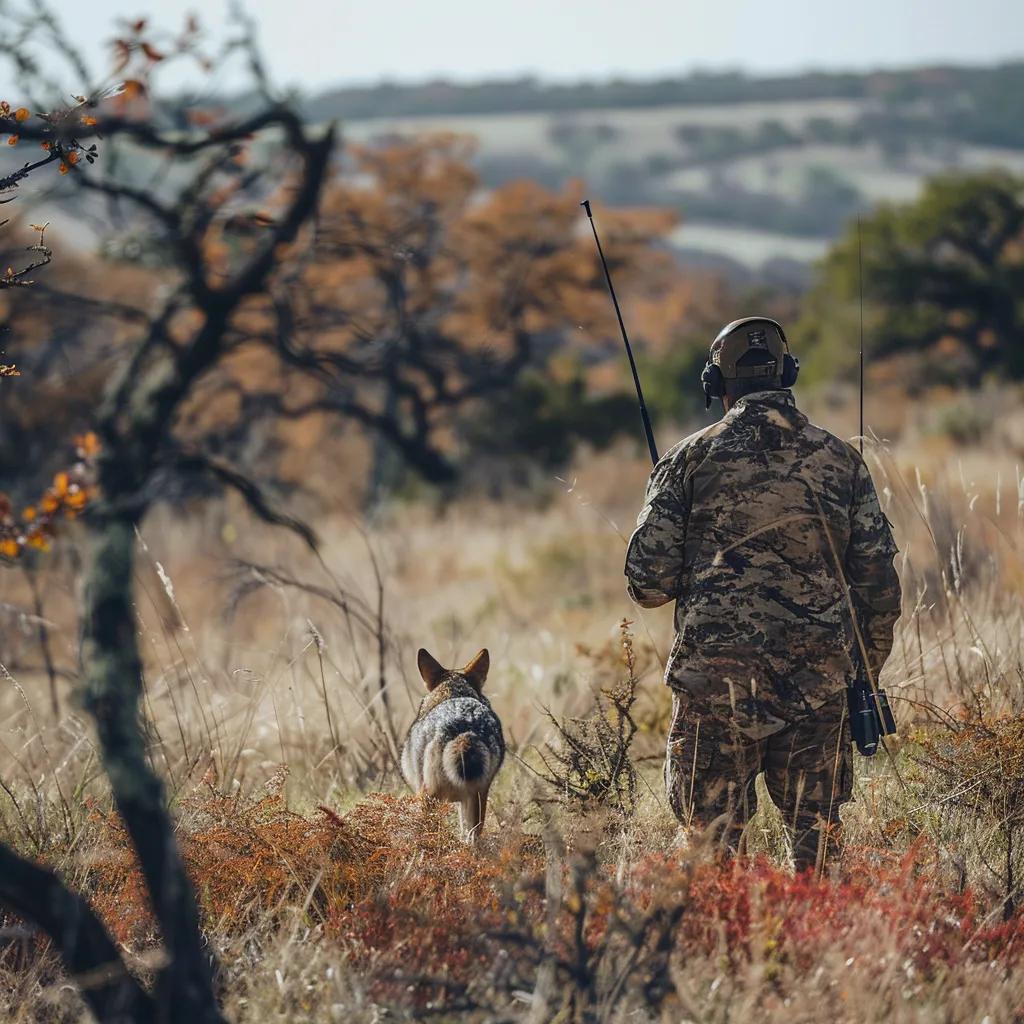
Coyote hunting in Texas succeeds by exploiting seasonal pack instincts and vocal responses. Calling triggers territorial curiosity, while spotlighting at dusk maximizes detection and shot opportunity.
- Use electronic distress calls to mimic injured prey and draw pack leaders within 200 yards.
- Employ snow goose wing-flap calls for aggression triggers in lone individuals.
- Carry a .223 Remington or 20-gauge shotgun for versatile shot placement.
Mastering these techniques boosts encounter rates and capitalizes on coyote adaptability under varied conditions.
What Are the Key Tips for Bobcat Hunting in Texas?
Bobcats demand patient tracking and stealth due to nocturnal habits and keen senses. Success depends on understanding scent trails and strategic calling.
- Scout for scrapes and tracks near water sources at dawn and dusk.
- Deploy predator bleat calls to simulate a fawn in distress.
- Wear muted camouflage and minimize movement to avoid detection.
These tactics heighten chances of a trophy pelt while preserving the challenge that defines bobcat hunting.
How Do Mountain Lion Hunts Work in Texas?
Mountain lion hunts require specialized guides, extensive scouting, and strict adherence to permit regulations. Lions inhabit rugged canyons and high-elevation plateaus in West Texas.
Guided trips include pre-hunt orientation, sunrise and sunset ambush strategies, and use of trail cameras to pinpoint habitual travel routes. Hunters must secure a mountain lion license and trophy fee permit before the hunt begins.
What Other Varmints and Predators Are Available for Hunting in Texas?
Beyond the headline species, Texas offers:
- Gray Fox for nocturnal calling thrills
- Raccoon for spotlight hunting near rivers
- Prairie Dog plinking in open prairies
- Feral Hog drives that blend predator and pest control
These additional targets extend hunting opportunities and support landowners by managing overpopulated species.
How Do Texas Predator Hunting Methods Enhance Your Hunting Experience?
Texas predator hunting methods integrate modern optics, calling innovations, and platform strategies to elevate success rates while showcasing advanced gear.
What Are the Advantages of Night Hunting Predators in Texas?
Night hunting opens extended hours and exploits predator nocturnal peaks. It reduces thermal detection by quarry and increases observation windows during cooler temperatures. Texas law permits nighttime predator control, giving hunters flexibility to engage when predators are most active.
How Does Night Vision and Thermal Imaging Improve Predator Hunting?
Before comparing technologies, it helps to understand their capabilities and trade-offs in predator detection.
Night vision enhances visibility under starlight, while thermal scopes reveal body heat through foliage—together they transform nocturnal hunts into precision operations.
What Calling Strategies Work Best for Texas Predator Hunts?
Effective calling integrates species-specific sounds and versatile devices:
- Use electronic callers for adjustable volume and repeat patterns.
- Employ mouth calls to emulate coyotes and foxes with realistic pitch.
- Rotate between distress, harassment, and territorial challenge calls to vary stimuli.
Rotating calls prevents predator habituation and draws wary individuals from greater distances.
What Is Safari Style and High Rack Hunting in Texas?
Safari style hunting places the shooter in a raised stand or mobile platform, offering panoramic sight lines across flat terrain. High racks elevate hunters above shrub lines, reducing scent detection and allowing long-range engagements. Both methods improve situational awareness and safety while maximizing shot windows.
What Do You Need to Know to Plan Your Texas Predator Hunting Trip?
Thorough preparation ensures compliance, comfort, and maximum success when booking predator hunts in Texas.
What Licenses and Permits Are Required for Predator Hunting in Texas?
Hunters must obtain:
- A general Texas hunting license
- Furbearer’s license endorsement for bobcat and fox
- Special mountain lion tag and trophy fee permit
- Completion of a certified hunter education course
Texas Hunting Regulations
Texas requires hunters to obtain a valid hunting license and may require specific endorsements and permits depending on the game species. Hunter education is mandatory for those born after September 2, 1971, ensuring hunters understand firearm safety and ethical practices [4, 15].
This source provides information on Texas hunting regulations, including licenses, permits, and hunter education requirements, which is essential for planning a legal hunting trip in Texas [4].
When Is the Best Time to Hunt Predators in Texas?
Seasons vary by species and region, but Texas permits year-round coyote and hog control. Optimal windows concentrate on cooler months:
Planning hunts around these windows leverages predator biology for peak encounter probability.
How to Choose the Right Texas Predator Hunting Outfitter or Guide?
When evaluating guides:
- Verify licensing and insurance credentials.
- Review success rates and client testimonials.
- Confirm equipment provisions (night vision, calls, stands).
- Assess accommodation quality and meal plans.
Selecting experienced outfitters aligns expectations with field realities and enhances overall satisfaction.
What Gear Should You Bring on a Texas Predator Hunting Trip?
Essential equipment covers firearms, optics, and field essentials. The following table outlines core items:
Carrying these tools ensures readiness under varied terrain and lighting conditions.
Why Is Ethical Hunting and Predator Control Important on Texas Predator Hunting Trips?
Ethical predator control balances population management with ecosystem health, safeguarding game species and agricultural interests.
How Does Predator Control Benefit Texas Ecosystems and Wildlife Management?
Regulated predator removal preserves ground-nesting birds, upland game populations, and livestock health. Maintaining predator numbers within ecological carrying capacity prevents prey depletion and supports biodiversity resilience.
Predator Control and Wildlife Management
Predator control can be a tool in wildlife management, particularly when predators negatively impact game bird populations. However, it should be part of a comprehensive plan and not the sole focus of wildlife management [5, 13].
This source discusses the role of predator control in wildlife management, including when it may be appropriate and the importance of a comprehensive approach, which is relevant to the article’s discussion of ethical hunting and ecosystem health [8].
What Are Responsible Hunting Practices for Texas Predator Hunts?
Adhering to best practices enhances safety and sustainability:
- Always identify targets beyond all doubt before shooting.
- Practice regular firearm maintenance and zeroing.
- Dispose of game remains according to landowner guidelines.
- Respect private property boundaries and posted signage.
Ethical Hunting Practices
Ethical hunting involves respecting the animal, the environment, and the regulations. This includes using appropriate equipment for a quick and humane kill, following regulations, and respecting property boundaries [7, 9].
This source outlines ethical responsibilities for hunters, emphasizing respect for wildlife, the environment, and the law, which is crucial for responsible predator hunting [6].
How Does Hunter Education Improve Safety and Compliance in Texas?
Formal hunter education offers projectile safety, wildlife identification, and legal regulation training. Completion of these courses reduces accident rates and reinforces ethical decision-making in the field.
Embarking on predator hunts in Texas combines adrenaline, technical skill, and conservation stewardship—so prepare thoroughly, hunt responsibly, and experience the real-deal outdoor thrill that only the Lone Star State can deliver.
