Helicopter Boar Hunting Adventure in Texas: How to End Hog Damage Fast
Aerial feral hog eradication in Texas leverages helicopters, precision shooting and advanced optics to swiftly reduce destructive wild pig populations and protect valuable farmland. With an estimated 2.6–6 million feral hogs ravaging 253 of 254 Texas counties and causing up to $500 million in annual agricultural losses, helicopter boar hunting transforms pest control into an adrenaline-charging solution. In this guide you will discover what helicopter hog hunting entails, why Texas faces an unprecedented feral hog crisis, how aerial eradication outperforms traditional methods, the regulatory landscape, planning essentials, cutting-edge technologies, and answers to the most common questions. Whether you’re a landowner battling root-raking sounders or an adventure-seeker, this article maps everything you need to end hog damage fast.
What Is Helicopter Boar Hunting and How Does It Work?
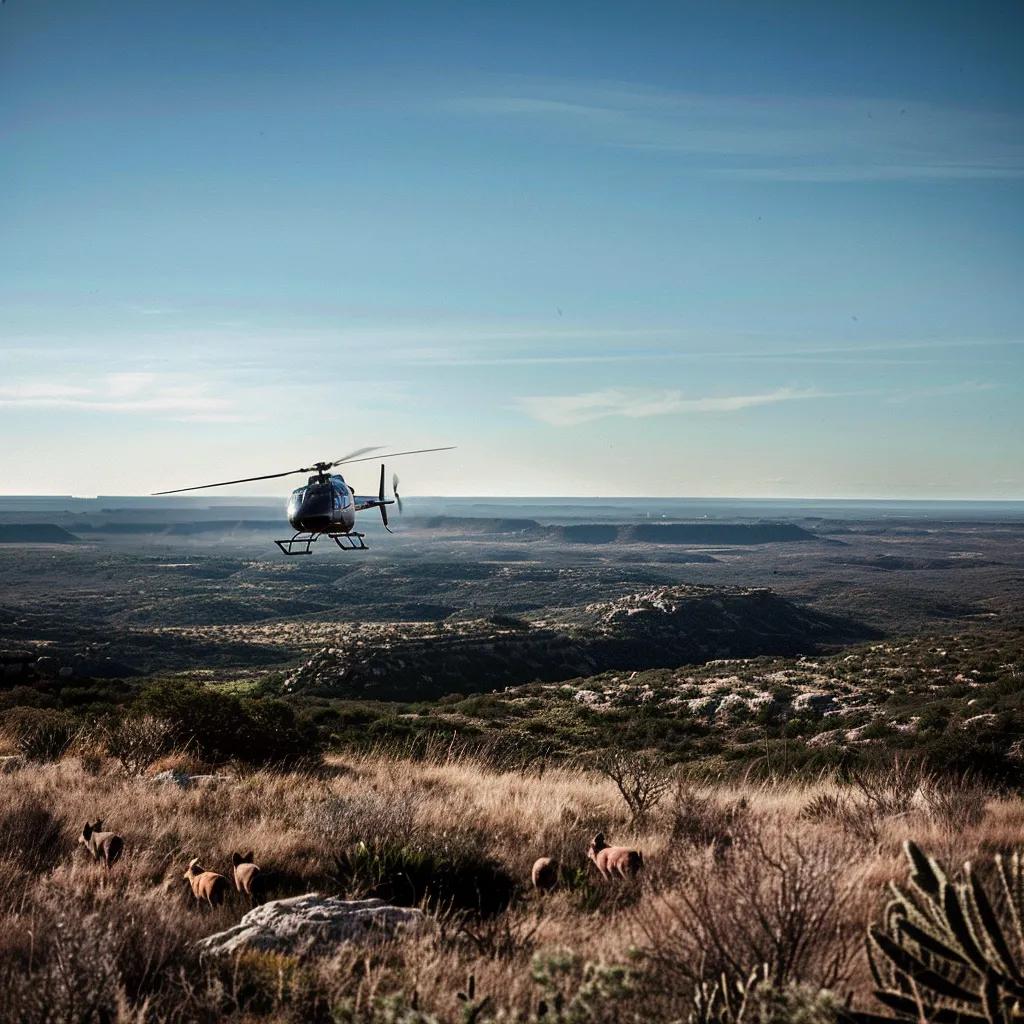
Helicopter boar hunting is an aerial wildlife management service that combines a maneuverable aircraft, specialized firearms and night-vision or thermal optics to locate and remove feral hogs at scale. Operators use low-altitude flight patterns to flush hog sounders, enabling sharpshooters to engage targets quickly and safely. This approach enhances population control efficiency by concentrating lethal force where hog densities are highest, reducing damage within hours rather than weeks.
What Is Helicopter Hog Hunting and Aerial Feral Hog Eradication?
Helicopter hog hunting refers to a targeted pest control method in which pilots and marksmen collaborate to track, herd and eliminate invasive wild pigs from above. Aerial feral hog eradication expands on this by integrating wildlife management permits, data-driven flight paths and optimized harvest strategies to achieve rapid population reductions. The result is minimized agricultural damage, preserved native ecosystems and a memorable high-adventure experience.
How Does Helicopter Hunting Rapidly Reduce Feral Hog Populations?
Aerial eradication reduces feral hog populations within days by concentrating removal efforts on high-density areas. Pilots employ grid-based flight plans informed by historic damage reports, while marksmen use suppressors and belt-fed firearms to engage multiple targets in quick succession. This coordinated technique frequently achieves 60–80 percent population decreases per mission, instantly alleviating root-raking and soil erosion that trap-and-shoot or ground-based hunts cannot address as effectively.
What Equipment and Technology Are Used in Helicopter Hog Hunts?

Professional helicopter boar hunting outfits equip flights with rotary-wing aircraft, precision firearms and advanced optics to ensure safe and effective aerial pest control.
These assets enhance targeting accuracy, maximize hog detection at night or in dense cover and support rapid, large-scale population removal. Efficient coordination between pilot and shooter creates a continuous removal cycle that sets the stage for broader ecosystem recovery.
Why Is the Feral Hog Crisis in Texas So Severe?
What Economic and Agricultural Damage Do Wild Hogs Cause in Texas?
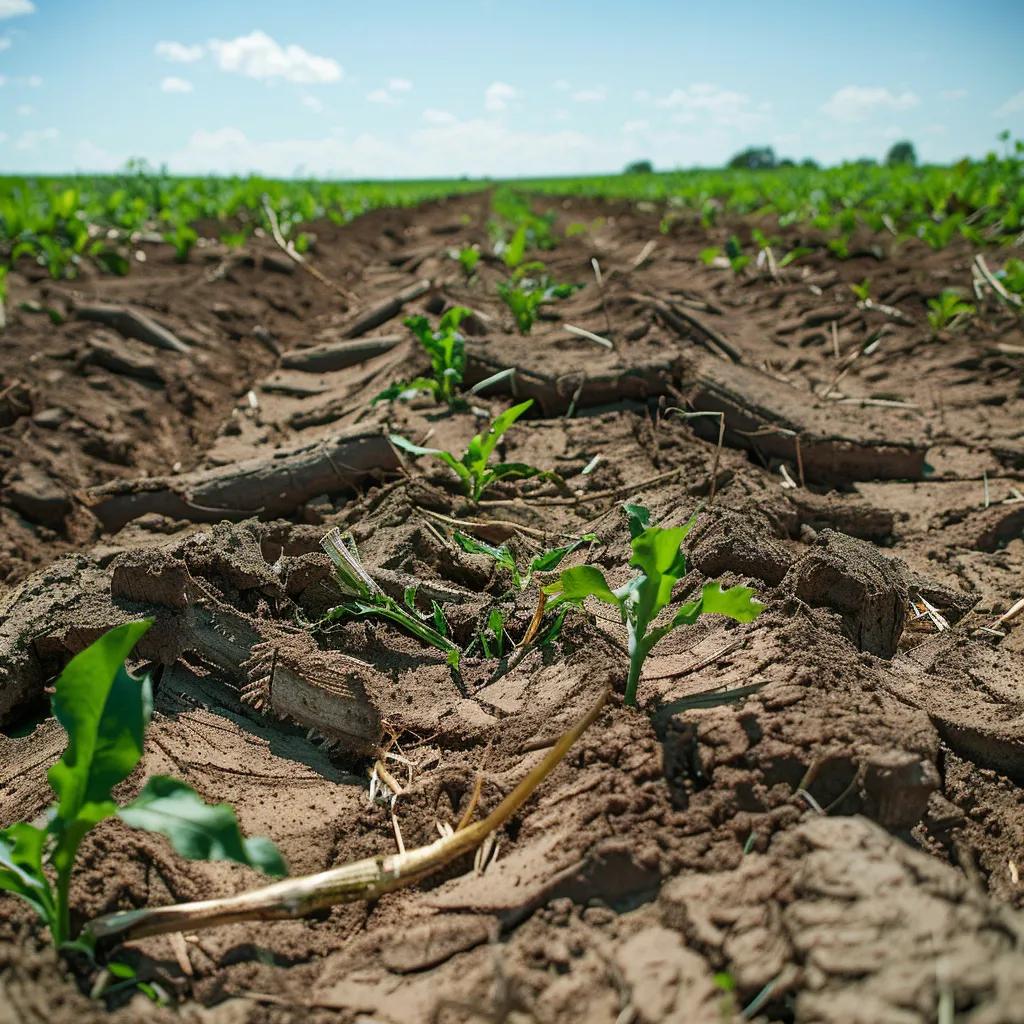
Feral hogs inflict billions in damage nationwide and hundreds of millions in Texas alone through crop destruction, livestock predation and infrastructure harm.
- Each individual hog can cause up to $1,000 in nightly crop losses.
- Annual statewide agricultural losses range from $118.8 million to $500 million.
- Root-raking damages irrigation lines, fencing and storage facilities, leading to costly repairs.
Economic Impact of Feral Hogs
Feral hogs cause significant economic damage, with annual agricultural losses in Texas ranging from $118.8 million to $500 million. This damage includes crop destruction, livestock predation, and infrastructure damage, necessitating effective control solutions.
This citation supports the article’s claims about the economic impact of feral hogs in Texas, highlighting the need for control measures.
This level of economic impact demands control solutions that deliver immediate and measurable results.
How Do Feral Hogs Impact Texas Ecosystems and Native Species?
Feral hogs disrupt native habitats by uprooting vegetation, altering watercourses and preying on ground-nesting birds, amphibians and small mammals. Their wallowing behavior contaminates water sources, promotes invasive plant species and degrades riparian zones. These ecological disturbances accelerate biodiversity loss and undermine long-term conservation efforts.
What Are the Population Dynamics and Reproduction Rates of Feral Hogs?
Feral hogs maintain rapid population growth through early maturity and multiple annual litters.
- Sows breed at 6–8 months of age.
- Each sow produces 2 litters per year, averaging 4–8 piglets per litter.
- Population doubling occurs in as little as 6 months under ideal conditions.
Feral Hog Reproduction and Population Growth
Feral hogs exhibit rapid population growth due to early maturity and high reproductive rates. Sows can breed at 6-8 months of age and produce multiple litters annually, leading to rapid population increases under favorable conditions.
This citation provides scientific backing for the article’s discussion of feral hog population dynamics and the challenges of control.
The species’ high reproductive potential and broad habitat tolerance make sustained population control especially challenging.
How Does Helicopter Boar Hunting Provide Fast and Effective Hog Damage Control?
Helicopter boar hunting delivers targeted lethal force where hogs congregate, achieving population reductions and damage mitigation far faster than trapping or ground hunting. Rapid aerial deployment focuses on critical hotspots, enabling landowners to protect cropland and pastures within a single operation rather than months of labor-intensive methods.
How Does Aerial Eradication Compare to Traditional Hog Control Methods?
What Are the Success Rates and Speed of Helicopter Hog Hunting?
Helicopter boar hunting operations routinely remove hundreds of feral hogs during single-flight missions, achieving population reductions of 60–80 percent in heavily infested areas. A 2019 case study on a Hill Country ranch reported 300 hogs eliminated in a two-hour sortie, immediately restoring pasture integrity and preventing further root-raking.
How Does Helicopter Hunting Help Protect Crops and Livestock Quickly?
Aerial removal directly shields crops, pastures and water sources by eliminating the root-raking boars responsible for most damage. Reduced hog numbers translate to fewer night-time foraging events, less soil disturbance and a rapid rebound in forage quality. This immediate protection supports livestock health, enhances grazing yields and preserves irrigation infrastructure.
What Are the Texas Regulations and Licensing Requirements for Helicopter Hog Hunting?
Texas law expressly allows private landowners and authorized aerial wildlife managers to eliminate feral hogs without a hunting license under specified conditions. Regulations focus on safety, wildlife management permitting and pilot certification to ensure responsible operations.
Texas Regulations for Aerial Hunting
Texas law allows landowners and authorized aerial wildlife managers to eliminate feral hogs on private land without a hunting license under specific conditions. The “Pork Chop Law” (HB 716, 2011) legalized helicopter and aerial hog hunting, streamlining permit processes for outfitters.
This citation clarifies the legal framework surrounding helicopter hog hunting in Texas, supporting the article’s section on regulations and licensing.
What Is the Pork Chop Law and How Does It Affect Helicopter Hog Hunting?
The “Pork Chop Law” (HB 716, 2011) legalized helicopter and aerial hog hunting on private land for feral hogs and coyotes. It removed license requirements for non-residents and streamlined permit processes for outfitters, enabling rapid deployment of aerial eradication services across Texas ranches.
Do You Need a Hunting License for Helicopter Hog Hunting in Texas?
No hunting license is required to remove feral hogs on private property with landowner authorization. However, individuals targeting other species or hunting on public land must hold the appropriate state licenses. This distinction accelerates aerial removal efforts focused solely on invasive swine management.
What Permits Are Required for Outfitters and Pilots?
Professional operators must secure an Aerial Wildlife Management Permit from Texas Parks and Wildlife Department and comply with Federal Aviation Administration (FAA) regulations. Pilots must hold the requisite rotorcraft certificates and maintain strict safety protocols, ensuring all flights meet state and federal standards.
How Can You Plan Your Helicopter Boar Hunting Adventure in Texas?
What Helicopter Hog Hunting Packages and Pricing Are Available?
What Safety Protocols and Guidelines Should Hunters Expect?
- Pre-flight briefing covers emergency procedures and firearm safety.
- Pilots must maintain at least 500 hours of rotorcraft flight time.
- Every shooter completes a weapons-handling course before boarding.
- Flight paths are coordinated with ground spotters to avoid non-target risks.
What Should You Bring and Prepare for a Helicopter Hog Hunt?
- Hearing protection and safety glasses
- Sturdy boots and weather-appropriate clothing
- Identification and any required landowner authorizations
- Hydration pack and energy snacks
- Personal rangefinder or binoculars (optional)
What Advanced Techniques Enhance Helicopter Hog Hunting Efficiency?
Advanced optics, data-driven flight planning and specialized firearms amplify aerial eradication effectiveness. Integrating these techniques promotes safer, more precise engagements and deeper nocturnal coverage of feral hog populations.
How Does Night Vision Technology Improve Helicopter Hog Hunting?
Night vision technology enhances target detection in low-light conditions by amplifying available ambient light. Generational improvements to goggles enable pilots and shooters to navigate terrain and identify hogs through thick cover, extending operational windows into the cooler, more active twilight hours when hogs feed.
What Role Does Thermal Imaging Play in Rapid Hog Detection?
Thermal imaging scopes detect heat signatures from feral hogs at distances up to 1,000 yards, regardless of foliage density. This capability allows crews to pinpoint sounders hidden in dense brush, reducing search time and increasing removal rates during night and day missions.
What Are the Best Firearms and Ammunition for Aerial Hog Shooting?
What Are the Most Frequently Asked Questions About Helicopter Boar Hunting?
Landowners and hunters often seek clarity on legality, cost, advantages and top locations before booking an aerial hog removal expedition. The following overviews address the most common concerns.
Is Helicopter Hog Hunting Legal and Safe in Texas?
Yes, helicopter hog hunting is fully legal on private property for feral hogs with landowner authorization and strict compliance with state and FAA regulations. Safety records show that adherence to established briefing protocols, certified pilots and trained shooters results in risk levels comparable to other aerial operations.
How Much Does Helicopter Boar Hunting Cost?
Costs vary by provider and package complexity, typically ranging from $1,200 for a one-hour introductory flight to $6,000 for a full-day, multi-shooter eradication mission. Additional factors such as night vision equipment, lodging and travel logistics can influence total pricing.
What Are the Benefits of Choosing Helicopter Hog Hunting Over Other Methods?
Helicopter boar hunting offers unparalleled speed, large-scale population reduction and immediate damage control. It enhances landowner safety by removing hogs without ground exposure, supports ecosystem recovery and provides participants with an unforgettable aerial adventure.
Where Are the Best Locations for Helicopter Hog Hunting in Texas?
Prime regions for helicopter hog hunting include the East Texas Piney Woods, the Hill Country’s brushy terrain and the expansive West Texas ranchlands. Private landowners across 150+ counties partner with aerial eradication services to target densely infested areas and safeguard crops, pastures and sensitive habitats.
Landowners ready to halt feral hog destruction can leverage helicopter boar hunting to achieve rapid, measurable results. By combining advanced optics, experienced crews and streamlined regulations, these aerial eradication missions deliver both immediate damage reduction and long-term ecosystem benefits. Explore specialized packages and connect with certified operators to transform your property’s hog problem into an adrenaline-fueled solution.
Contact a licensed aerial wildlife management service today to schedule a helicopter boar hunting adventure that ends hog damage fast.
