Table Of Contents:
- Wyoming Waterfowl Hunting and Guided Waterfowl Hunts: Complete Guide to Hunting Waterfowl in Wyoming
- What Are the Best Waterfowl Species to Hunt in Wyoming?
- Where Are the Top Waterfowl Hunting Locations in Wyoming?
- What Do Guided Waterfowl Hunting Packages in Wyoming Include?
- What Are the Wyoming Waterfowl Hunting Regulations and Licensing Requirements?
- How Can You Prepare for a Successful Waterfowl Hunt in Wyoming?
- Why Choose Wyoming Guided Waterfowl Hunts With Expert Outfitters?
- How to Book Your Wyoming Waterfowl Hunting Guided Hunt?
- Frequently Asked Questions
- Final Thoughts
Wyoming Waterfowl Hunting and Guided Waterfowl Hunts: Complete Guide to Hunting Waterfowl in Wyoming
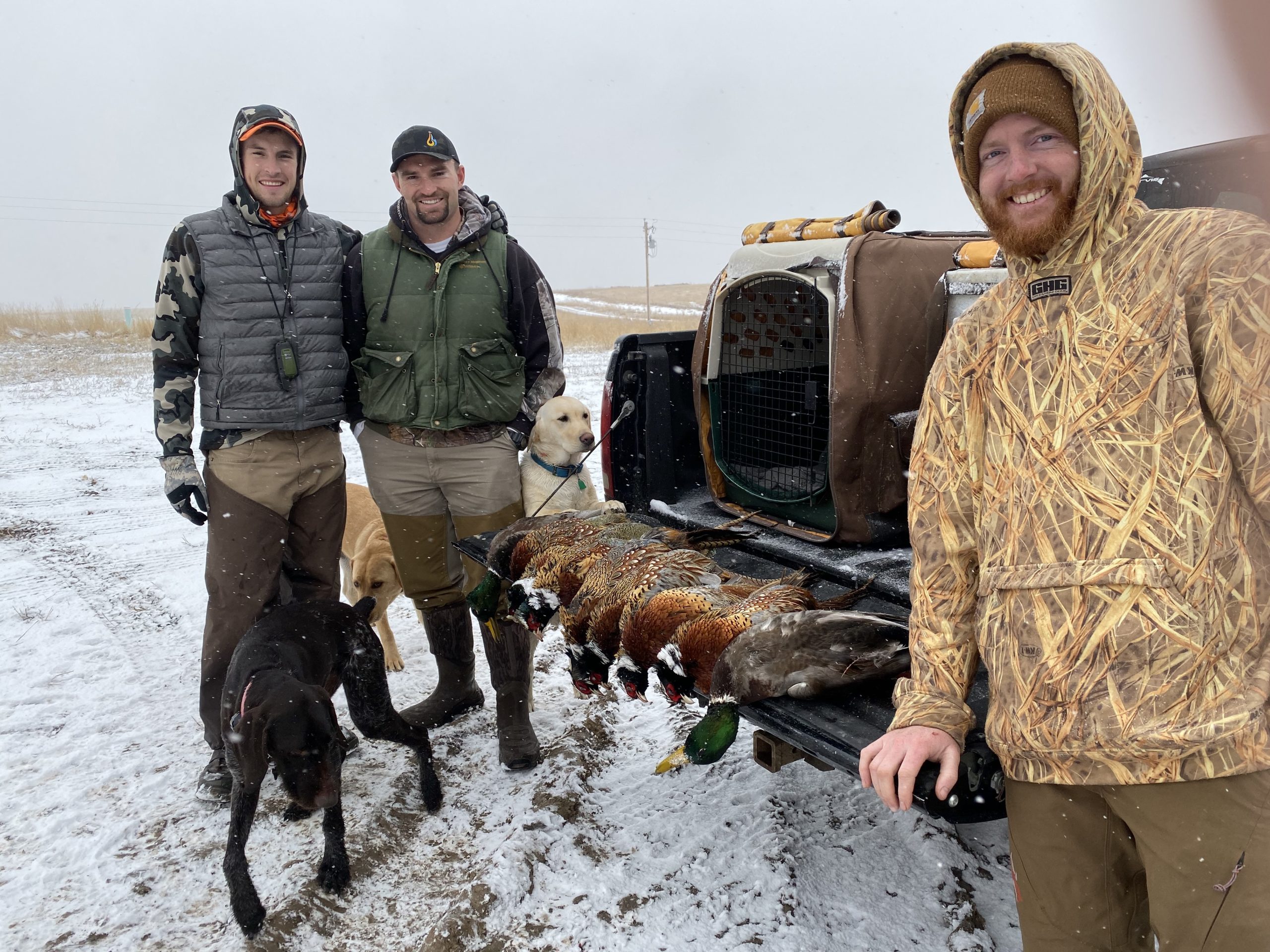
Wyoming offers some of the most exhilarating waterfowl and big game hunting opportunities in North America. With pristine wetlands, expansive lakes, and flowing rivers, hunters experience a unique combination of rugged beauty and abundant bird populations. This guide covers the best waterfowl and turkey species to hunt, top locations, guided hunt packages, licensing and regulations, preparation tips, and expert insights into why Wyoming guided waterfowl hunts remain a top choice for outdoor adventurers. Experienced outfitters like grassy knoll enterprises ensure ethical practices, peak performance, and unforgettable adventures on Wyoming’s wild terrain, where natural predator management plays a crucial role in maintaining ecological balance.
This guide is designed for big game hunting enthusiasts and those seeking adventure combined with professional firearms training and heli-hunts. You will find detailed, scientifically informed explanations, practical examples from real hunts, including insights on hunting turkey and waterfowl, and clear, actionable steps to plan and execute a successful waterfowl hunt in Wyoming. For extra practice, many experts recommend visiting a local shooting range to refine your skills.
Let’s begin our journey through Wyoming’s waterfowl hunting landscape.
What Are the Best Waterfowl Species to Hunt in Wyoming?
Wyoming offers a variety of waterfowl that provide rewarding challenges. Many hunters visit the shooting range to hone their marksmanship and secure memberships with local clubs, granting them exclusive access to heli-hunts in remote areas. The top species include mallard ducks, Canada geese, and snow geese – each with unique behaviors and habitat needs that can even affect their vulnerability to predator encounters during hunting seasons.
Which Waterfowl Species Are Common in Wyoming?
Wyoming’s diverse wetlands are ideal breeding and migration grounds for several species: – Mallard Ducks: Known for their vibrant plumage in males during breeding and adaptable nature. – Canada Geese: Recognizable by their distinct black head and chinstrap, with strong migratory patterns. – Snow Geese: Notable for their striking white plumage in winter and use of wet meadows during migration. – Others like northern pintails and widgeons also appear frequently.
Due to the state’s arid climate, remaining wetlands become productive hotspots, attracting dense congregations of waterfowl.
How to Identify Mallard Ducks, Canada Geese, and Snow Geese?
Accurate identification is essential for ethical harvest and compliance: – Mallards: Males have a bright green head with a curled tail; females are mottled brown. – Canada Geese: Feature a black head with a white chinstrap and loud calls. – Snow Geese: Show pure white plumage in winter; breeding adults may be darker.
Hunters should note details like eye color, bill shape, and wing patterns. Quality optics and field guides specific to Wyoming’s waterfowl are highly recommended.
What Are Effective Hunting Strategies for Each Waterfowl Species?
Hunting techniques vary by species: – Mallards: Use decoys and soft, teasing calls to lure curious birds into confined wetland areas. – Canada Geese: Rely on stealth and distance shooting, using natural cover and minimal movement to avoid startling wary birds. – Snow Geese: Require patience; use ground blinds and decoy spreads to target flocks that fly in tight formations during migration.
Observing weather patterns and water levels is crucial. Scarce water forces birds to concentrate, making them easier targets; conversely, abundant water may require more targeted decoy and call strategies.
Where Are the Top Waterfowl Hunting Locations in Wyoming?
Wyoming’s diverse geography creates prime waterfowl hunting areas ranging from wetlands to meandering rivers. The following sections detail the best lakes, rivers, and wetlands and explain how conditions vary by location.
What Are the Best Lakes, Rivers, and Wetlands for Waterfowl Hunting?
Key locations include: – North Platte River: Known for a steady flow and rich riparian zones that attract mallards and pintails. – Green River: Offers natural cover and varied water types favored by geese and mallards. – Flaming Gorge Reservoir: High bird concentrations during migration, particularly for snow geese and mallards. – Uinta Basin Wetlands: Support a natural ecosystem with high biodiversity. – Medicine Bow Reservoir: Scenic with less pressured hunting, popular among Canada geese and widgeons.
In addition to these renowned spots, several seasonal wetlands with shallow marshes and cattail infestions offer excellent hunting opportunities off the beaten path.
How Do Hunting Conditions Vary by Location?
Hunting conditions depend on water levels, seasonal migrations, and local weather: – Rivers: Dynamic water flow may shift bird positions if currents are too fast or water is low. – Lakes/Reservoirs: Generally provide stable conditions, especially in dry years. – Wetlands: Offer excellent cover but can be unpredictable with sudden flooding or mudslides.
Ambient factors like wind, temperature, and light also impact bird activity. Early morning fog may provide cover while late afternoons offer feeding opportunities. Flexibility and real-time planning are essential.
Which Locations Offer Guided Waterfowl Hunts?
For a structured experience, many locations offer guided hunts: – Outfitters operate in high-yield areas like the North Platte River and strategic reservoirs. – These guided hunts include expert advice on bird movements, water conditions, and legal nuances. – Additional services typically include lodging near prime spots, specialized waterfowl calling equipment, and transportation to remote wetlands. – Testimonials from guided hunts note increased success and reduced stress, thanks to the local expertise provided by professional guides.
What Do Guided Waterfowl Hunting Packages in Wyoming Include?
Guided waterfowl hunting packages offer a complete experience by combining expert-led hunts, comfortable lodging, tailored meals, and equipment rentals. These packages maximize hunting success while removing much of the logistical burden.
What Are the Benefits of Choosing a Guided Hunt?
- Expertise: Local guides provide unmatched insights into the best waterfowl spots, migration patterns, and seasonal behaviors.
- Increased Success: Tailored tactics and strategic blind placements help improve harvest rates.
- Reduced Stress: Pre-arranged accommodations, meals, and gear rentals allow hunters to focus on the hunt.
- Ethical Practices: Professional guidance ensures adherence to conservation and regulatory requirements.
What Lodging and Meal Options Are Available With Guided Hunts?
Lodging is typically provided in rustic cabins or lodges located near waterfowl areas. These often include: – Hearty breakfasts, hot lunches, and gourmet dinners designed to maintain energy. – Flexible meal schedules ranging from all-inclusive to customized itineraries. – Options that suit both traditional campfire meals and modern, multi-course dining.
How Does Equipment Rental Work for Guided Hunts?
Guided hunts include rental of high-quality gear: – Essential items like decoy setups, duck calls, blinds, and camouflage clothing are provided. – Rental agreements cover all equipment for the hunt, with comprehensive usage briefings. – Backup gear is usually available to address unforeseen challenges, ensuring safety and efficiency.
A typical checklist includes decoys, duck calls, a portable blind, safety gear (e.g., life vests), and sometimes personal audio amplifiers to hear distant calls.
What Are the Wyoming Waterfowl Hunting Regulations and Licensing Requirements?
Adhering to Wyoming’s hunting regulations is critical for ethical and legal waterfowl hunting.
How Do You Obtain Wyoming Waterfowl Hunting Licenses and Permits?
- Apply for a state-specific waterfowl license and the required federal duck stamp.
- Complete hunter safety courses and submit necessary identification and fees.
- Permits may vary for hunting on federal lands or protected areas.
- Always carry valid documentation while in the field to avoid fines or penalties.
What Are the Season Dates and Bag Limits for Waterfowl Hunting?
- Season dates generally follow federal migratory bird regulations, starting in early autumn and extending into late winter.
- Bag limits are set by species to sustain healthy populations (e.g., different limits for mallards, Canada geese, and snow geese).
- Hunters should regularly check the Wyoming Game and Fish Department’s updates for current rules.
What Ethical and Conservation Practices Should Hunters Follow?
- Always respect habitat and adhere to bag limits.
- Use humane killing methods and leave no trace by properly disposing of waste.
- Participate in habitat restoration and contribute to local wildlife management through license fees.
- Follow proper field dressing, handling, and processing techniques to reduce waste and support waterfowl sustainability.
How Can You Prepare for a Successful Waterfowl Hunt in Wyoming?
Preparation is essential for both success and safety. This includes mastering calling techniques, choosing the right gear, and following strict safety practices.
What Are the Best Waterfowl Calling Techniques?
- Mallards: Use a soft quack with intermittent chirps.
- Canada Geese: Employ low-toned honks, often with subtle pauses.
- Snow Geese: Use sharp, staccato calls combined with mimicking natural feeding sounds.
Practice in isolated areas and observe wild birds to refine call volume and rhythm based on weather and ambient noise.
How to Choose the Right Hunting Gear and Equipment?
- Ensure your gear is durable and comfortable in wet, muddy conditions.
- Essential items include camouflage attire, waterproof boots, decoy spreads, high-quality call devices, and reliable optics.
- Test all gear beforehand; many outfitters also offer rental packages maintained to high standards.
- Organize equipment for quick access during critical moments.
What Safety Tips Should Waterfowl Hunters Follow?
- Conduct a thorough pre-trip safety briefing covering emergency procedures, wildlife encounters, and equipment checks.
- Wear safety vests and practice proper firearm handling at all times.
- Regularly monitor weather forecasts to prepare for sudden changes such as high winds or cold snaps.
- Maintain a safe distance from water bodies when using decoys to prevent slips or falls.
- Follow the “pointed muzzle, finger off the trigger” rule to ensure firearm safety at all times.
Why Choose Wyoming Guided Waterfowl Hunts With Expert Outfitters?
Guided hunts in Wyoming combine adventure, expertise, and luxury to deliver an exceptional experience.
What Experience and Knowledge Do Wyoming Guides Offer?
- Wyoming guides are seasoned professionals with decades of experience.
- They offer practical advice on optimal blind placement, appropriate waterfowl calls based on weather, and strategies to avoid disturbing birds.
- Strong relationships with wildlife agencies ensure ethical, sustainable practices.
- Their deep understanding of migration patterns and habitat preferences builds hunter confidence.
How Do Guided Hunts Improve Success Rates?
- Expert guides design pre-planned strategies tailored to specific species and locations.
- They help set up effective decoy spreads and use high-quality calls.
- Coordinated team efforts and real-time adjustments lead to improved accuracy and increased bag counts.
- Testimonials consistently highlight enhanced success and overall satisfaction from guided hunts.
What Do Past Hunters Say About Their Guided Hunt Experiences?
- Past participants appreciate the personalized approach, efficient organization, and seamless integration of pre-hunt briefings, quality meals, and equipment.
- Many report their best harvests while gaining valuable insights into waterfowl behavior and conservation.
- The overall experience leaves a lasting impression, turning an ordinary hunt into an extraordinary adventure.
How to Book Your Wyoming Waterfowl Hunting Guided Hunt?
Booking a guided hunt in Wyoming is straightforward and designed to deliver a five-star outdoor adventure.
What Are the Booking Steps and Available Dates?
- Step 1: Contact a reputable outfitter such as Grassy Knoll Enterprises via phone or online inquiry.
- Step 2: Schedule a consultation to discuss your hunting experience, package preferences, and available dates.
- Step 3: Choose a package based on duration, accommodations, and optional extras like gear rental or advanced coaching.
- Step 4: Confirm your booking with the required deposit and receive a detailed itinerary.
- Step 5: Finalize pre-trip details, including gear rental and any additional services.
Timely booking is essential, especially during peak seasons in October and November. Early reservations may offer discounts or promotional benefits.
How to Contact Outfitters for Custom Packages?
- For a custom-tailored experience, contact outfitters directly via phone, email, or website messaging.
- Provide detailed information about your hunting objectives, dietary needs, and any special requirements.
- Direct communication can result in special offers, group discounts, and flexible scheduling.
What Are the Pricing Options for Guided Waterfowl Hunts?
Guided hunt pricing varies based on duration, equipment rentals, lodging quality, and additional services. Packages typically include:
Hunters are encouraged to review all pricing options and ask for a detailed cost breakdown to ensure transparency.
Frequently Asked Questions
Q: What waterfowl species should I expect to encounter during a Wyoming hunt? A: Wyoming hunts typically feature mallards, Canada geese, and snow geese, along with northern pintails and widgeons. Each species presents unique challenges based on behavior and habitat.
Q: How do I ensure I have the necessary licenses before heading out? A: Obtain a Wyoming waterfowl license and federal duck stamp. Complete any required hunter safety courses and ensure you carry proper identification and permits.
Q: Are guided hunts more successful than self-guided trips? A: Yes. Guided hunts improve success rates through expert knowledge, pre-selected locations, and coordinated logistics that help navigate changing weather and bird patterns.
Q: What should I bring with me on a guided waterfowl hunt? A: In addition to your personal gear, guided hunts typically provide essential rentals such as decoys, calls, and blinds. Bring appropriate clothing, your hunting license, and any necessary medications.
Q: How do weather conditions impact waterfowl hunting in Wyoming? A: Weather factors like wind, temperature, and water levels directly affect bird activity. Early mornings are usually best for feeding, and hunters must adapt to current forecasts.
Q: Can beginners participate in guided waterfowl hunts? A: Absolutely. Guided hunts provide personalized coaching, safety briefings, and practical learnings that make them ideal for beginners.
Q: What safety protocols are in place during a guided hunt? A: Safety is paramount. Guided hunts enforce equipment checks, emergency communication protocols, and thorough pre-hunt briefings to ensure that every participant is secure and well-prepared.
Final Thoughts
Wyoming waterfowl hunting guided hunts combine expert knowledge, pristine settings, and comprehensive service to offer a five-star outdoor adventure. Hunters enjoy not only greater success in their harvests but also a deeper understanding of ecological dynamics and ethical hunting practices. With tailored packages that include premium lodging, top-notch equipment, and custom itineraries, every aspect of the experience is designed for an unforgettable adventure. Book your guided hunt now and experience Wyoming’s unparalleled waterfowl hunting opportunities—where adventure meets conservation.
