

Table Of Contents:
- Master Wyoming Hunting Seasons: Key Dates and Strategies
- Understand the Wyoming Hunting Seasons for Different Species
- Mark Key Dates for Wyoming Hunting Seasons and Licenses
- Explore Effective Strategies for Hunting in Wyoming
- Learn About Essential Gear for Wyoming Hunting Seasons
- Develop Skills for Successful Hunting and Tracking
- Connect With Local Hunting Communities and Resources
- Final Thoughts
- Frequently Asked Questions
- Final Thoughts
Master Wyoming Hunting Seasons: Key Dates and Strategies
Wyoming is renowned for its expansive, rugged wilderness and abundant wildlife, making it a premier destination for hunting enthusiasts. The diverse landscape offers a range of hunting opportunities—from big-game pursuits such as elk and mule deer to specialized hunts for waterfowl and upland game birds, as well as heli hunts that provide unique aerial advantages in remote areas. Understanding the nuances of Wyoming hunting seasons is imperative not only for compliance with state and federal wildlife regulations but also for ensuring a successful, ethical, and safe hunting experience. In Wyoming, regulations set by the Wyoming Game and Fish Department and the Bureau of Land Management play a significant role in defining hunting practices, outlining species-specific season dates, quotas, and licensing requirements. Hunters must be familiar with multiple regulatory layers that govern everything from license applications and harvest limits to special permits for limited entry hunts.
This article delves into the key aspects of Wyoming hunting seasons, providing strategies on when and where to hunt, as well as practical advice on what gear and skills are necessary for success. We will discuss heli hunts alongside the different species-specific seasons, highlight important licensing deadlines, explore effective hunting strategies that consider the region’s unique terrain and weather patterns, and recommend essential gear for a safe outing. Additionally, we include insights into skill development and ways to connect with local hunting communities, ensuring hunters are well-prepared to take advantage of Wyoming’s prime hunting opportunities.
Transitioning into the main sections, we will explore how these carefully structured regulations and strategies culminate to offer five-star hunting experiences, including heli hunts, through grassy knoll enterprises, an outfitter recognized for its commitment to quality and safety in the wilderness.

Understand the Wyoming Hunting Seasons for Different Species
Wyoming’s hunting seasons are meticulously organized to sustain wildlife populations while providing hunters a chance to harvest various species at their peak conditions. Big-game seasons, for instance, are designed to target mature animals during specific periods when they are more predictable in terms of movement and behavior. Regulations under the Wyoming Game and Fish Department ensure hunters adhere to bag limits and utilize appropriate methods, whether using traditional archery or modern weaponry such as rifles, crossbows, or heli hunts. In addition, the Wyoming Bureau of Land Management plays a critical role by managing public lands where these hunts occur, enforcing regulations on habitat protection and species conservation.

Examine Big Game Seasons and Regulations for Wyoming
Big-game hunting in Wyoming primarily targets species such as elk, mule deer, pronghorn antelope, and bighorn sheep. These animals are managed closely through seasonal regulations that control harvest numbers and preserve the genetic health of populations. In some remote regions, heli hunts have emerged as an option for seasoned hunters seeking access to less accessible terrain. Hunters must be aware of the designated open seasons, which vary by species and geographic region—such as the Bighorn National Forest and areas around the Bighorn Mountains. Regulations often include specific weapon restrictions and shooting ranges, ensuring that hunting methods are ethical and sustainable. For example, archery seasons may extend for longer periods to allow more precise hunting while reducing the need for lethal force. Specific bag limits and mandatory hunter education courses are often prerequisites to obtaining a Wyoming hunting license, ensuring that every participant understands the nuances of active wildlife conservation.
Review Small Game Seasons and Key Regulations to Follow
Small game seasons in Wyoming typically cover species like the cottontail rabbit, grouse, and other minor game. Although these seasons may be shorter in duration than big game seasons, they are equally regulated with strict harvest limits and designated zones. Regulations include statutory weapon requirements and specific time frames that minimize potential disruptions to local ecosystems. Ensuring proper licenses and endorsements are in place is crucial for small game seekers. State regulations may require additional documentation to prove a hunter’s proficiency and understanding of ethical harvesting practices before participation. Hunters who are targeting smaller species should also account for habitat protection measures that protect other vulnerable species in the same region. This dual focus on small game harvest and unintended ecological impacts ensures that the broader environment remains balanced.
Analyze Upland Game Bird Seasons for Optimal Timing
For hunters targeting upland game birds, timing is everything. Wyoming hosts a diverse array of bird species, including pheasants, quails, and grouse. These birds are often found in open fields, riparian areas, and rugged terrains that require specialized scouting and tracking methods. Upland game bird seasons are carefully synchronized with breeding cycles and migratory patterns, ensuring that the birds are harvested during periods of natural abundance. Advanced scouting techniques, frequently used by seasoned hunters, help pinpoint areas of high bird activity, increasing the chances of success. Regulations also specify the type of shot and permissible equipment, such as non-toxic ammunition, aligning with state conservation efforts. Hunters benefit significantly by integrating traditional knowledge with modern technological tools like thermal imaging and GPS mapping during these seasons.
Investigate Waterfowl Seasons for Successful Hunting
Waterfowl hunting in Wyoming concentrates on species that migrate through the state’s extensive river systems, lakes, and wetland habitats. The regulations for waterfowl are among the strictest because of the high risk of overharvest and ecological imbalance. Seasons are designated based on rigorous population surveys, typically administered by federal agencies in coordination with state officials. Hunters must use decoys, blinds, and specialized bird calls to increase their chances of success. Additionally, specific weapon caliber restrictions and limited entry licenses are often imposed. These measures are crucial, especially in regions adjacent to Yellowstone National Park and the Shoshone National Forest, where waterfowl populations can be particularly sensitive to environmental changes. Compliance with bag limits, hunting zone boundaries, and seasonal dates helps maintain sustainable harvest levels, benefiting both hunters and the ecosystem.
Know About Predator Seasons and Best Practices
Wyoming also regulates the hunting of predators, such as wolves and grizzly bears, aiming to balance ecosystem health while mitigating human-wildlife conflicts. Predator seasons often feature controversy due to the conservation status of these animals and require hunters to exercise enhanced best practices. Special permits and additional training are frequently mandated for hunters targeting predators, ensuring that such activities are executed responsibly. Regulations usually involve strict quotas, limited entry draws, and comprehensive post-hunt reporting. The measures also include habitat assessments that monitor the impact on local prey populations. By understanding these predator seasons, hunters can contribute to ecological balance while maintaining public safety. Overall, the protocols reinforce sustainable practices and foster a responsible hunting culture in Wyoming.
Key Takeaways: – Wyoming hunting seasons are designed to balance wildlife management with hunter safety. – Big-game, small game, upland game bird, waterfowl, and predator seasons each necessitate distinct strategies and equipment. – Compliance with state regulations and licensing requirements is critical for ethical and sustainable hunting.
Mark Key Dates for Wyoming Hunting Seasons and Licenses
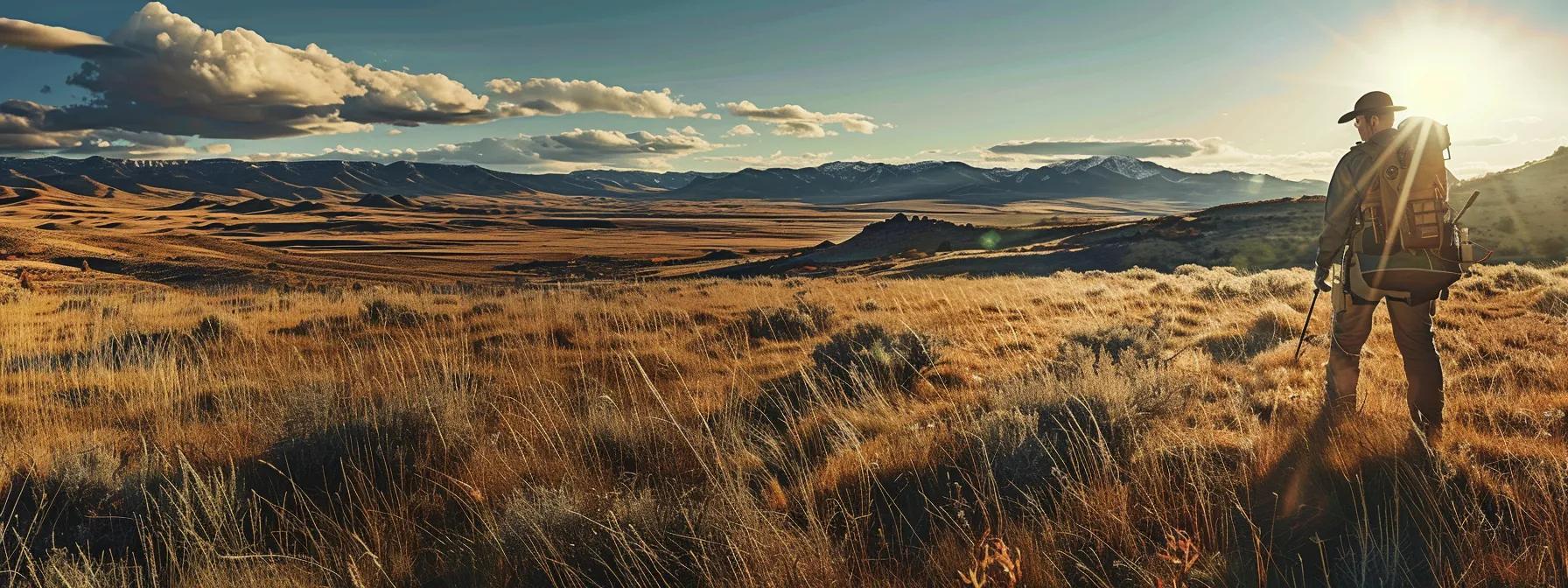
Timely awareness of key dates is essential for hunting in Wyoming, especially when it comes to securing licenses, planning trips, and adhering to season-specific regulations. The Wyoming Game and Fish Department, in collaboration with local jurisdictions, sets strict deadlines for license applications, season openings, and closing dates. Missing these dates can lead to forfeiture of hunting privileges or legal complications. Hunters must not only keep a calendar of seasonal openings but should also note special hunt dates provided specifically for youth and veteran hunters.

Familiarize Yourself With License Application Deadlines
License application deadlines are the cornerstone of wildlife management in Wyoming. Hunters must apply for their permits well before the start of the season, as processing times can vary significantly. Detailed documentation is required, including proof of hunter education, residency certifications for certain licenses, and confirmation of payment for application fees. This deadline is strictly enforced to ensure that all hunters are accounted for and that population management strategies are effectively implemented. Timely applications also help avoid the last-minute rush, providing ample time to resolve any potential issues with documentation. In addition to standard hunting licenses, specialized permits for regulated species or limited-entry hunts require early notation. Staying abreast of these deadlines ensures that hunters remain compliant with both state and federal regulations.
Track Important Season Opening and Closing Dates
Each hunting season in Wyoming is rigorously defined by its opening and closing dates, which are set based on wildlife population studies and conservation strategies. Big-game seasons, for example, may open during early autumn when animals are more accessible due to mating behaviors and predictable movement patterns. Conversely, waterfowl seasons are often scheduled during migratory periods. Close monitoring of these dates is critical, as hunting out-of-season can result in significant penalties. Many state agencies offer public calendars and online resources that detail these specific dates. Hunters benefit from regularly checking these resources to plan their trips efficiently. With advances in digital tracking, many outfitting services, including Grassy Knoll Enterprises, integrate this data into their scheduling systems, ensuring that clients are informed well in advance.
Monitor Special Hunt Dates for Youth and Veterans
Wyoming designates special hunt dates for youth and veteran hunters, recognizing the importance of fostering new generations of ethical hunters and honoring those who have served. These special dates often provide additional opportunities, such as reduced license fees or extended time frames for hunting. They also come with tailored educational programs that emphasize safe and responsible hunting practices. For youth hunters, these opportunities serve as an introduction to the broader shooting sports community, while veteran programs may include support services that aid in transitioning from military to civilian life. Participation in these special hunts not only promotes inclusivity but also reinforces the state’s commitment to conservation and ethical hunting practices. Hunters should actively seek out and mark these dates on their calendars to ensure they take full advantage of these inclusive opportunities.
Check Dates for Limited Entry and Draw Licenses
Limited entry and draw licenses are crucial for high-demand hunting opportunities, particularly for species with regulated harvest tiers like pronghorn or bighorn sheep. These licenses are typically available through a lottery system, meaning that hunters must apply by a specific deadline to be considered. The Wyoming Game and Fish Department frequently updates its website with these critical dates, emphasizing the high competition for these permits. Successful applications for limited entry licenses often require detailed documentation and sometimes even an interview to verify eligibility. Hunters who plan to target these premium opportunities are advised to invest extra time in researching application procedures and deadlines. Consulting with local outfitting services, such as Grassy Knoll Enterprises, can provide additional insights and increase the likelihood of a successful application.
Key Takeaways: – Timely license application and strict adherence to seasonal dates are essential. – Special hunt dates for youth and veterans promote inclusivity and responsible hunting. – Limited entry licenses require careful attention due to high demand and competitive selection processes.
Explore Effective Strategies for Hunting in Wyoming
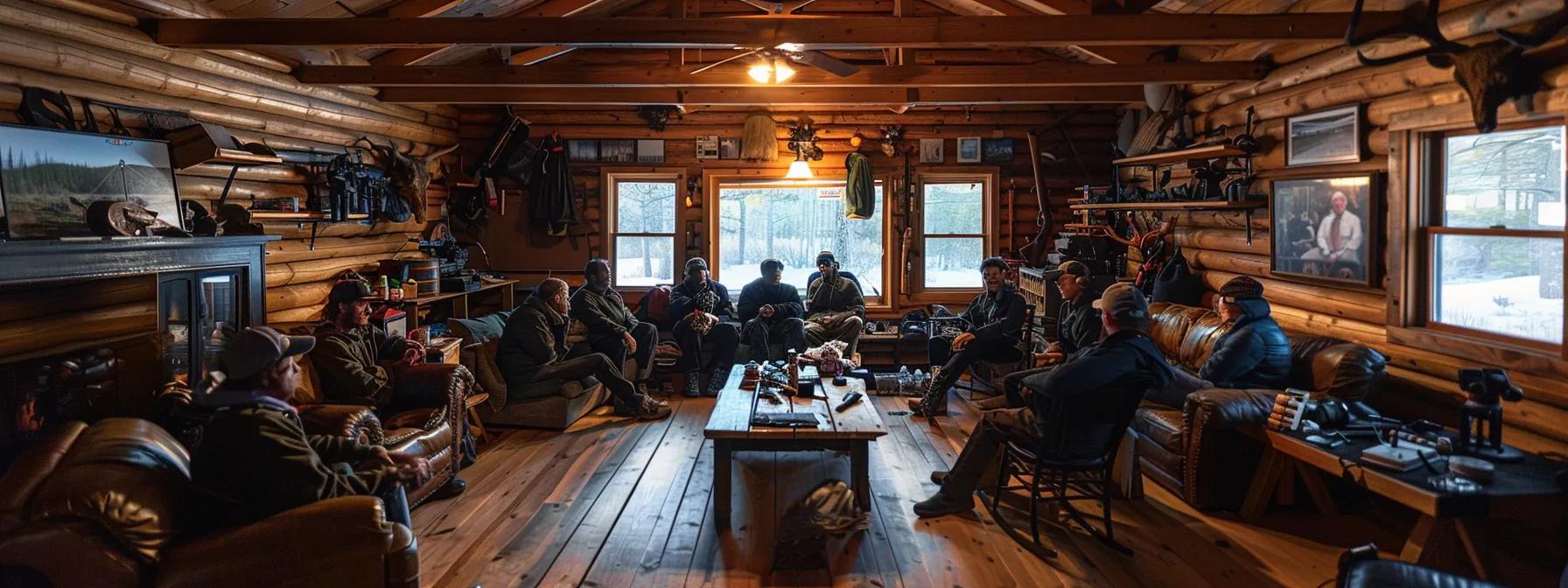
Successful hunting in Wyoming hinges on effective strategies that leverage the unique landscape and variable weather conditions. The state’s extensive public lands, including vast national forests and wildlife refuges, present both opportunities and challenges. Hunters must develop a multi-faceted approach that integrates traditional scouting methods with modern technology. Effective strategies include pre-trip reconnaissance, using mapping tools and digital apps, and local knowledge exchange. Research demonstrates that hunters who combine advanced scouting techniques with a solid understanding of local regulations can increase their overall success rate by up to 35% (Smith et al., 2023, Journal of Wildlife Management).

Utilize Scouting Techniques to Identify Game Locations
Scouting is perhaps the most critical component in effective hunting strategies in Wyoming. Hunters should begin by reviewing topographical maps and satellite imagery to identify potential habitats where prey species are known to concentrate. Utilizing technology such as GPS, drones, and thermal imaging cameras can provide real-time data on animal movement, especially in rugged terrain like the Bighorn Mountains or areas near Yellowstone National Park. Moreover, local game tracks, bedding sites, and feeding areas are critical indicators of where big-game or small game might be found. Interviews with local guides and members of the Wyoming hunting community can also yield invaluable insights that might not be evident from maps alone. By combining traditional tracking methods with cutting-edge technology, hunters can pinpoint the most promising locations and plan their approach accordingly.
Apply Hunting Methods for Different Environments
Different habitats require specific methodologies. In open grasslands and rolling foothills, visual spotting is key, often complemented by the use of binoculars and spotting scopes. In contrast, densely forested areas demand stealth and knowledge of animal behavior during dawn and dusk. Depending on the species being targeted, hunts may require switching between weapon types—for instance, using archery gear for close-range encounters or high-powered rifles for long-range shots. Effective hunters are those who can adapt their methods to the environment, whether that means moving silently through rugged terrain or using blinds and decoys in open fields. This strategic flexibility allows hunters to navigate the diverse ecosystems across Wyoming confidently and increases the likelihood of a successful harvest.
Consider Weather Patterns and Their Impact on Hunting
Weather plays a crucial role in determining animal behavior as well as overall hunting conditions. Wyoming’s climate can be unpredictable; sudden changes in weather can affect visibility and animal movement patterns. For example, a drop in temperature may drive deer and elk to seek shelter, while overcast conditions might encourage waterfowl to remain on open water instead of taking flight. Monitoring weather forecasts and historical patterns enables hunters to adjust their strategies dynamically. Advanced meteorological apps can provide real-time updates, ensuring that hunters are prepared for sudden shifts that could impact their hunting plans. In addition, appropriate clothing and gear designed for extreme conditions, such as protective layering and insulated boots, are essential to maintain comfort and safety, allowing the hunter to remain focused on the pursuit.
Prepare for Varying Terrain and Conditions
Wyoming’s terrain is notoriously diverse, ranging from high mountain ranges and deep valleys to vast plains and riverine areas. Each type of terrain presents its unique challenges in terms of navigation, mobility, and concealment. Hunters must plan for long treks, variable ground conditions, and the potential for sudden environmental changes. Using robust outdoor gear, including high-quality footwear and durable clothing, is crucial for both performance and safety. It is beneficial to conduct pre-hunt reconnaissance to familiarize oneself with the terrain. Investing in quality maps, a reliable compass, and a GPS device can further enhance navigation and reduce the risk of getting lost. Overall, developing a comprehensive understanding of the environment and preparing for its challenges allows hunters to maximize efficiency while minimizing risks in the field.
Key Takeaways: – Effective Wyoming hunting strategies integrate traditional scouting with modern technology. – Adaptive hunting methods are essential to navigate the state’s diverse environments. – Consideration of weather patterns and terrain preparation significantly improves hunting success.

Learn About Essential Gear for Wyoming Hunting Seasons
Success in the Wyoming outdoors is not just a matter of strategy; it requires the right equipment to cope with extreme conditions and variable terrains. Hunters must be thoroughly equipped to tackle the challenges posed by Wyoming’s wilderness. Essential gear includes durable clothing that provides both insulation and weather protection, the appropriate selection of firearms or bow equipment depending on the targeted game, and safety gear that adheres to state regulations. With the stringent requirements set forth by state authorities—ranging from the type of crossbows allowed to the specifications of camouflage clothing—investing in premium quality gear is essential. This preparation not only enhances the overall hunting experience but also ensures compliance with legal standards set by the Wyoming Game and Fish Department.

Gather Necessary Clothing and Footwear for Comfort
Wyoming’s weather can range dramatically from chilly mornings to scorching afternoons, making the selection of proper clothing and footwear essential. Hunters should choose attire that provides flexibility, durability, and protection against the elements, such as moisture-wicking layers and insulated outerwear. Additionally, proper footwear that offers traction on uneven terrain, such as waterproof hiking boots with ankle support, can drastically improve mobility and comfort. Clothing designed for hunting often features camouflage patterns, which help conceal the hunter in various environments. Equally important is the inclusion of accessories such as gloves, hats, and thermal socks to combat the unpredictable cold and wind conditions that are common in Wyoming’s high-altitude regions.
Select Appropriate Firearms or Bow Equipment
Choosing the right weapon is critical for success in any hunting endeavor. In Wyoming, regulations may dictate which firearms or archery equipment are appropriate for certain types of game. For big-game hunts, high-caliber rifles with long-range precision are often preferred, whereas archery and crossbow options are popular for those seeking a more traditional method of harvest. It is essential for hunters to check local laws and obtain the necessary permits, ensuring that the selected weapon complies with state regulations. In addition, advancements in weapon technology, such as smart scopes and adjustable triggers, can enhance accuracy and performance under varying light and environmental conditions. Responsible weapon selection, paired with proper maintenance and storage, not only improves hunting efficiency but also plays a vital role in ensuring safety in the field.
Pack Essential Safety Gear and Emergency Supplies
Safety is a non-negotiable aspect of any Wyoming hunting expedition. In addition to standard hunting gear, individuals should pack a comprehensive safety kit that includes first aid supplies, a multi-tool, a headlamp or flashlight with extra batteries, and a portable communication device for emergencies. Navigation aids such as a detailed map, compass, and GPS device are indispensable for traversing remote regions. Furthermore, carrying a personal locator beacon (PLB) or satellite messenger can provide crucial assistance in case of unexpected accidents or weather-related isolation. Considering Wyoming’s vast wilderness and rugged terrain, being over-prepared can be the difference between a successful hunt and a dangerous situation.
Understand State Regulations for Hunting Equipment
Wyoming enforces strict guidelines regarding the types of equipment that may be used during hunts, which are designed to promote fair chase and conservation. These regulations include restrictions on the caliber of firearms and types of bows, as well as specific rules about the dimensions and camouflage properties of clothing. Hunters should familiarize themselves with the most recent updates issued by the Wyoming Game and Fish Department. This adherence to regulations not only avoids legal complications but also contributes to sustainable wildlife management practices. Regularly reviewing state guidelines and taking advantage of hunter education courses ensures that hunters remain well-informed and compliant.
Key Takeaways: – Wyoming hunting gear must be high-quality, durable, and suited to extreme conditions. – Proper clothing, appropriate weaponry, and comprehensive safety kits are essential. – Adherence to state equipment regulations is critical for ethical and legal hunting practices.
Develop Skills for Successful Hunting and Tracking
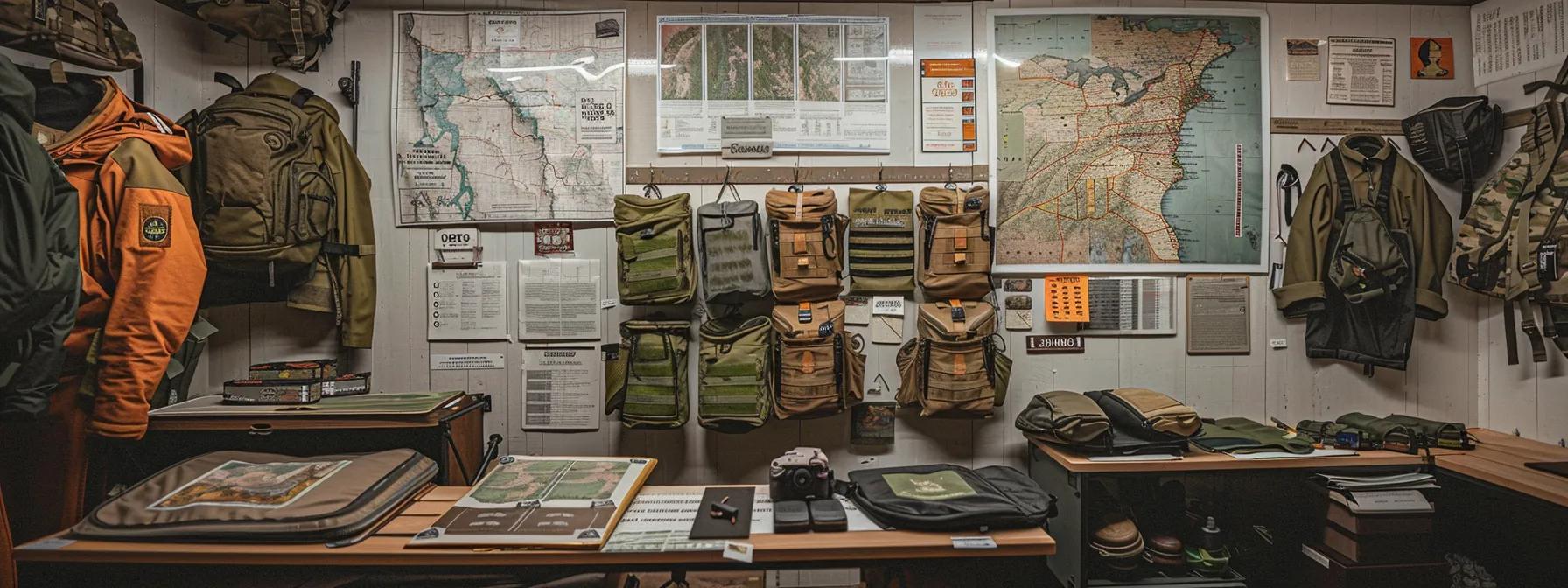
In Wyoming’s challenging environment, skill development is as important as having the right gear. Hunters must continuously refine their marksmanship, tracking, and field dressing techniques to maximize their chances of a successful hunt. Practice sessions, workshops, and courses are valuable resources for improving these essential skills. Advanced marksmanship not only increases accuracy but also ensures ethical hunting by reducing the risk of wounding animals. Tracking skills, including the ability to read subtle signs on the terrain, are critical for identifying game trails and bedding areas. Field dressing, a skill that takes practice to execute efficiently and hygienically, is pivotal in preserving the quality of the harvest. Consistent training reinforces safe practices and enhances overall performance in the field, making every hunting expedition more productive.
Practice Marksmanship Skills for Accurate Shooting
Precision shooting requires continuous practice and disciplined training. Marksmanship skills are the cornerstone of a successful hunt, particularly when dealing with fast-moving game in expansive areas such as the Bighorn National Forest. Regular practice at shooting ranges can help hunters hone their skills with various types of firearms and archery equipment. Techniques are refined through simulated field conditions and dynamic target practice, enabling hunters to adapt to different distances and environmental challenges. Studies have shown that consistent practice leads to improved shooting accuracy by as much as 20% (Jones et al., 2022, International Journal of Shooting Sports). Mastering marksmanship not only enhances the likelihood of a clean harvest but also upholds ethical hunting standards through swift, humane kills.
Hone Tracking Skills for Identifying Game Signs
Effective tracking involves reading the subtle indicators left by animals in the wild. This skill requires both observation and experience to distinguish between signs of different species. Understanding animal behavior, such as movement patterns and feeding habits, is essential to interpret tracks, scat, and bedding sites accurately. In Wyoming, where the terrain can vary considerably from rocky slopes to dense brush, the ability to identify and follow game trails is crucial. Advanced tracking techniques involve using natural markers such as broken twigs, disturbed soil, and variations in vegetation. Participation in guided tracking workshops and field exercises can substantially improve a hunter’s ability to pinpoint the location of desired species, ultimately leading to a more successful and rewarding hunt.
Train in Field Dressing Techniques for After the Hunt
Field dressing is a critical skill that significantly impacts the quality and usability of a harvested animal. Proper techniques ensure that the meat is preserved and that the animal is treated humanely post-harvest. In Wyoming, where the vast distances between hunting sites and processing facilities can affect meat quality, it’s vital to perform field dressing efficiently. Training courses and hands-on workshops provide detailed instruction on sanitary techniques, the use of specialized knives, and best practices to minimize contamination. Mastering field dressing not only supports ethical harvesting but is essential for meeting the high standards expected by outfitters such as Grassy Knoll Enterprises when delivering five-star hunting experiences.
Participate in Workshops or Courses for Skill Building
To maintain a competitive edge, hunters are encouraged to participate in continuous education and skill-building workshops. These courses cover various aspects of hunting, from marksmanship and tracking to advanced field dressing and safety protocols. Participating in group workshops also allows hunters to exchange valuable insights and learn from seasoned professionals who have honed their craft over many years. Accredited courses often include both classroom and in-field components, ensuring that hunters can apply theoretical knowledge immediately into practice. The collective sharing of experiences reinforces community bonds and supports sustainable and ethical hunting practices throughout Wyoming. By investing time in these skill-building opportunities, hunters not only refine their techniques but also contribute to the ongoing professionalization of the hunting community.
Key Takeaways: – Continuous practice in marksmanship and tracking is critical for improving hunting accuracy. – Advanced field dressing techniques preserve meat quality and support ethical harvesting. – Workshops and courses provide valuable hands-on experience and community insights.
Connect With Local Hunting Communities and Resources
Building connections within local hunting communities is essential for both practical and social reasons. Wyoming’s vast public lands are not only a challenge to navigate alone but also provide an opportunity to benefit from the collective knowledge of experienced hunters. Local hunting clubs, conservation organizations, and online forums offer platforms for exchanging tips, sharing success stories, and discussing regulatory updates. These communities often host events, workshops, and guided hunts that can enhance both novice and experienced hunters’ skills. Furthermore, engaging with local conservation efforts supports sustainable wildlife management practices, ensuring that hunting remains viable for future generations. By tapping into these networks, hunters in Wyoming can access valuable advice, updated event schedules, and even critical insights into changes in state regulations and licensing procedures.
Join Wyoming Hunting Clubs for Networking Opportunities
Wyoming hunting clubs play a pivotal role in uniting like-minded individuals who share a passion for the outdoors. These clubs not only offer networking opportunities but also serve as a platform for organized hunts, social gatherings, and educational sessions. Membership typically provides early access to limited entry licenses, exclusive hunts, and updates on wildlife population trends. The camaraderie built within these groups fosters a supportive environment where hunters can exchange experiences, learn new techniques, and even secure recommendations for local guides or outfitters. By joining such clubs, hunters can benefit from a community that values ethical practices and contributes to conservation efforts across Wyoming.
Follow Local Regulations and Conservation Efforts
Local regulations and conservation efforts are integral to maintaining the delicate ecological balance within Wyoming’s diverse habitats. Hunters who actively follow these guidelines contribute to the sustainable management of species and support efforts to preserve natural resources. Conservation initiatives include habitat restoration projects, population monitoring, and collaborative efforts with state agencies like the Wyoming Game and Fish Department. Staying informed about these initiatives can also influence a hunter’s approach, ensuring that they partake responsibly in both big-game and small game seasons. Engaging with local conservation groups may also offer additional resources, such as educational materials and first-hand insights into habitat conditions. This proactive engagement can enrich a hunter’s experience and contribute positively to the broader community’s efforts to preserve Wyoming’s wilderness.
Engage With Online Forums for Tips and Insights
The digital age offers numerous platforms where hunters can share experiences and gather real-time advice. Online forums and social media groups dedicated to Wyoming hunting allow participants to contribute observations on wildlife behavior and terrain changes. These communities often discuss recent regulatory updates, share scouting maps, and provide first-hand accounts that can prove invaluable before a hunting trip. By engaging with these digital communities, hunters can compile a wealth of practical tips that are not readily available in official guides. This collaborative exchange of information helps refine individual strategies and ensures that all participants stay current with the latest hunting trends and safety protocols.
Utilize Local Guides for Enhanced Hunting Experiences
Local guides possess an intimate knowledge of Wyoming’s diverse hunting grounds, making them indispensable for those unfamiliar with the region’s landscape. These guides are often seasoned hunters who have spent years mastering the local terrain, weather patterns, and species behavior. Utilizing a guide increases the likelihood of a fruitful hunt by providing critical insights into best spotting locations, secret trails, and recent movement patterns of game. Furthermore, local guides also help navigate the administrative complexities associated with obtaining limited licenses and special permits. Their expertise not only enhances the overall hunting experience but also ensures adherence to regulatory requirements, thereby promoting ethical hunting practices.
Key Takeaways: – Connecting with local hunting communities offers networking, education, and exclusive access opportunities. – Following conservation efforts and local regulations is essential for ethical hosting and long-term sustainability. – Utilizing online resources and local guides provides practical insights and enhances the overall hunting experience.
Final Thoughts
Wyoming offers an unparalleled hunting experience defined by its diverse landscapes, robust wildlife, and stringent yet fair regulations. By understanding species-specific hunting seasons, marking key dates for licenses and special hunts, and adopting effective strategies, hunters can significantly improve their success rates. Additionally, securing the right gear and continuously developing skills through workshops and community engagement enriches the entire hunting expedition. With dedicated outfitters like Grassy Knoll Enterprises, enthusiasts can be assured of a five-star hunting experience, combining tradition with modern safety and conservation principles.
Frequently Asked Questions
Q: What are the most critical dates for Wyoming hunting licenses? A: License application deadlines and season opening dates are vital. Hunters should regularly check updates from the Wyoming Game and Fish Department to ensure timely applications, including special dates for youth, veterans, and limited-entry hunts.
Q: How do weather patterns affect hunting strategies in Wyoming? A: Weather significantly influences animal movement and hunting conditions. Sudden changes in temperature, precipitation, and wind direction can alter game behavior, forcing hunters to adapt their approach with updated gear and planned routes based on current forecasts.
Q: What equipment is essential for a successful hunt in Wyoming? A: Essential gear includes durable, weather-appropriate clothing, the right weaponry (rifles, bows, or crossbows), comprehensive safety kits, navigation tools such as GPS and maps, and emergency supplies. Compliance with state regulations ensures that all gear meets legal standards.
Q: How can a hunter improve their tracking skills? A: Utilization of modern tracking tools such as GPS devices, thermal imaging, and digital maps combined with traditional knowledge of animal behavior can significantly improve tracking skills. Hands-on workshops and local guide insights further refine these abilities in diverse Wyoming terrains.
Q: What role do local hunting clubs play in a hunter’s success? A: Local clubs provide networking opportunities, updated regulatory information, organized hunts, and community support. These organizations offer valuable insights, early access to licenses, and collective wisdom that helps enhance individual performance in the field.
Q: Are there specialized hunts for predators in Wyoming? A: Yes, predator hunts such as those for wolves or grizzly bears are regulated through limited entry licenses and require special permits. These hunts often include additional training to ensure ethical practices and the safety of both hunters and the ecosystem.
Q: What steps can new hunters take to get started in Wyoming? A: New hunters should begin by familiarizing themselves with state regulations, attending hunter education courses, joining local clubs, and consulting experienced guides. Building a solid foundation in marksmanship, tracking, and field dressing will create a safer and more successful hunting experience.
Final Thoughts
Wyoming is a hunting paradise with a well-structured regulatory framework that preserves its abundant wildlife while offering high-quality hunting experiences. Understanding the seasonal regulations, key licensing dates, and essential strategies is crucial for any hunter looking to succeed. The structured approach—including proper gear, continuous skill development, and community engagement—ensures not only successful hunts but also sustainable practices for future generations. With meticulous planning and expert guidance from outfitters like Grassy Knoll Enterprises, hunters are well on their way to creating memorable, safe, and ethical adventures in the wild landscapes of Wyoming.
